





Tour overview
Garður Lighthouses

The twin lighthouses of Garður stand as iconic sentinels on the Reykjanes Peninsula’s dramatic coastline, where two distinct structures tell the story of Iceland’s maritime heritage across different eras. The older red lighthouse, built in 1897, represents the classic design of early Icelandic navigation aids, while its modern white companion showcases contemporary lighthouse technology. Together, they create one of Iceland’s most photographed lighthouse scenes, perfectly framed against the endless expanse of Faxaflói Bay with Reykjavík’s silhouette visible in the distance on clear days.
From this strategic vantage point, visitors enjoy sweeping panoramic views that encompass the entire southwestern coast of Iceland, where the Atlantic Ocean meets the volcanic landscape in spectacular fashion. The lighthouses have guided countless vessels safely through these treacherous waters, serving as beacons of hope for fishermen and travelers navigating the often turbulent North Atlantic. The surrounding area offers excellent opportunities for wildlife observation, particularly during migration seasons when various seabirds use this coastline as a crucial stopover point, making Garður an essential first stop on any comprehensive Reykjanes Peninsula exploration.
The bridge between the continents

Standing on the symbolic Bridge Between Continents represents one of the most extraordinary geological experiences available anywhere on Earth, where visitors can literally walk between two continental plates. This remarkable 15-meter bridge spans the Mid-Atlantic Ridge, the underwater mountain range where the North American and Eurasian tectonic plates slowly drift apart at approximately 2 centimeters per year. The bridge itself serves as a powerful metaphor for connection across the forces that would otherwise divide, creating an unforgettable moment where human engineering meets geological wonder.
Beneath your feet lies one of the planet’s most significant geological features, a rift zone that extends from the Arctic Ocean to the South Atlantic, making Iceland one of the few places on Earth where this process is visible above sea level. The surrounding landscape bears witness to millions of years of tectonic activity, with twisted lava formations and fractured rock faces telling the story of continents in constant motion. Walking across this bridge provides a profound connection to the immense geological forces that continue to shape our planet, while the certificate provided to commemorate your crossing serves as a unique reminder of this once-in-a-lifetime experience.
The craters of Stampar

The Stampar Craters represent one of the Reykjanes Peninsula’s most fascinating volcanic features, where a series of ancient crater formations showcase the incredible power of Icelandic volcanism through perfectly preserved geological architecture. These remarkable craters, formed during prehistoric eruptions, create a lunar-like landscape that feels simultaneously ancient and timeless, offering visitors an extraordinary window into the volcanic processes that continue to shape Iceland. The crater row extends across the landscape like a geological timeline, each formation telling its own story of eruption, cooling, and the gradual reclaiming by hardy Arctic vegetation.
Walking among these volcanic monuments provides an intimate encounter with the forces that built Iceland from the ocean floor, where each crater represents a moment when the Earth’s molten interior burst through to the surface in spectacular fashion. The surrounding lava fields display various stages of volcanic succession, from fresh black rock to areas where resilient mosses and lichens have begun the slow process of creating new soil. The Stampar area serves as a natural classroom where visitors can observe how volcanic landscapes evolve over time, while the dramatic contrast between the dark lava formations and the vibrant green moss creates some of the most striking photographic opportunities on the entire Reykjanes Peninsula.
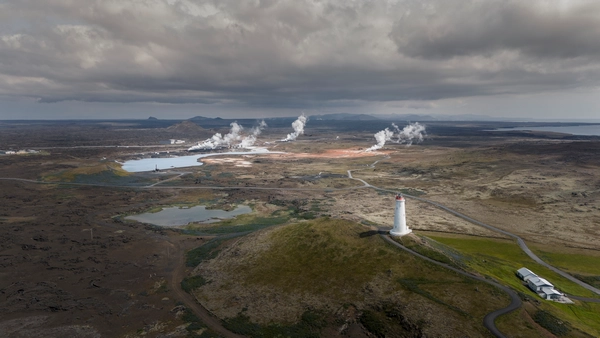
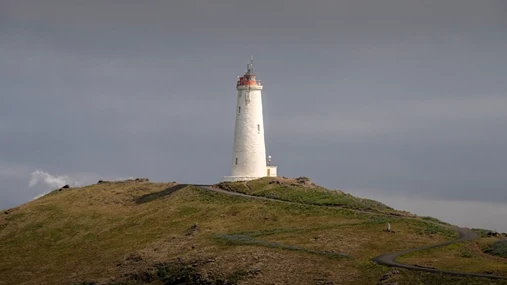
Reykjanesviti Lighthouse
Reykjanesviti holds the distinguished honor of being Iceland’s oldest lighthouse, standing proudly since 1878 on the dramatic sea cliffs that mark the southwestern tip of the Reykjanes Peninsula. This historic beacon has weathered countless Atlantic storms while guiding mariners safely through some of Iceland’s most treacherous waters, where powerful ocean currents and unpredictable weather have claimed numerous vessels throughout maritime history. The lighthouse’s strategic position on towering basalt cliffs provides breathtaking panoramic views across the North Atlantic, where on clear days the horizon seems to stretch into infinity, creating an almost spiritual connection between land, sea, and sky.
The area surrounding Reykjanesviti showcases some of the most dramatic coastal geology in Iceland, where relentless Atlantic waves have carved the ancient lava flows into spectacular formations of arches, sea stacks, and hidden caves. The lighthouse itself has been rebuilt several times due to the harsh coastal conditions, with the current structure representing both historical significance and modern engineering adapted to survive in one of Earth’s most challenging maritime environments. Visitors often report feeling a profound sense of standing at the edge of the world, where Europe ends and the vast Atlantic begins, making Reykjanesviti not just a navigation aid but a powerful symbol of human determination against the overwhelming forces of nature.
Hot Springs of Gunnuhver

Gunnuhver represents one of Iceland’s most powerful and active geothermal areas, where the Earth’s inner heat creates a dramatic landscape of bubbling mud pools, hissing steam vents, and mineral-stained ground that glows with otherworldly colors. Named after the legendary ghost Gunna, whose spirit is said to be trapped within the steaming vents after a 17th-century exorcism, this geothermal wonderland combines natural spectacle with rich Icelandic folklore. The main crater produces enormous clouds of steam that can be seen from kilometers away, while the surrounding area features dozens of smaller vents and bubbling pools that create an ever-changing tableau of geothermal activity.
The geothermal field at Gunnuhver provides visitors with an visceral encounter with the volcanic forces that power Iceland’s energy systems, where underground temperatures exceed 300°C and create the dramatic surface manifestations that make this location so captivating. The colorful mineral deposits surrounding each vent tell the story of countless years of geothermal activity, where sulfur, silica, and other minerals have been deposited in brilliant yellows, oranges, and reds that contrast dramatically with the black volcanic soil. Walking the carefully maintained boardwalks through this steaming landscape feels like exploring another planet, while the constant sounds of hissing steam and bubbling mud create an immersive sensory experience that connects visitors directly to the raw power lying beneath Iceland’s surface.
Fagradalsfjall Lava Fields

The Fagradalsfjall Lava Field stands as one of Earth’s newest landscapes, created during the spectacular volcanic eruptions of 2021-2023 that captivated the world and provided scientists with unprecedented opportunities to study active volcanic processes. This remarkable area offers visitors the extraordinary chance to walk along lava that was molten just years ago, where the ground still retains warmth and the fresh volcanic formations showcase the immediate aftermath of creation. The recent nature of these eruptions means that visitors can witness geology in action, observing how new land forms and begins the slow process of environmental succession in real-time.
Walking through the Fagradalsfjall area provides an unparalleled educational experience about volcanic processes, where the various types of lava formations, gas bubbles frozen in rock, and the intricate textures of cooling magma create a natural museum of volcanic activity. The eruption site itself has become a pilgrimage destination for geology enthusiasts and curious travelers alike, offering the rare opportunity to see how volcanic activity continues to shape Iceland’s landscape. The contrast between the pristine black lava fields and the gradually returning vegetation demonstrates nature’s incredible resilience, while the dramatic backdrop of steaming vents and colorful mineral deposits reminds visitors that this volcanic system remains very much alive and ready to create new wonders at any moment.
Seltún Hot Springs

Seltún Hot Springs presents visitors with one of Iceland’s most visually spectacular geothermal areas, where a vibrant palette of colors creates an almost surreal landscape that seems painted by nature’s most artistic hand. The geothermal field displays an incredible range of mineral deposits in brilliant yellows, oranges, reds, and greens, where sulfur, iron oxides, and other minerals have been deposited over centuries of continuous geothermal activity. Bubbling mud pots dot the landscape like natural cauldrons, while steaming fumaroles release clouds of mineral-rich vapor that carry the distinctive sulfur scent that characterizes Iceland’s most active geothermal regions.
The boardwalk system at Seltún allows visitors to safely explore this delicate geothermal ecosystem while protecting both the fragile formations and visitor safety in an environment where ground temperatures can be dangerously high. Each bubbling pool and steaming vent represents a direct connection to the magma chambers lying deep beneath the Reykjanes Peninsula, where temperatures exceed 1000°C and create the spectacular surface manifestations that make Seltún such a popular destination. The constantly changing nature of the geothermal field means that each visit offers something new to discover, whether it’s a newly formed mud pot, a fresh mineral deposit, or the mesmerizing dance of steam and bubbles that creates an ever-evolving natural artwork in this remarkable corner of Iceland.
The Sky Lagoon and the 7 steps Ritual

The Sky Lagoon represents the pinnacle of Icelandic geothermal luxury, where cutting-edge design meets ancient geothermal traditions to create an unparalleled wellness experience overlooking the dramatic North Atlantic coastline. This spectacular infinity lagoon features mineral-rich geothermal waters maintained at the perfect temperature for relaxation, while the dramatic oceanside location provides breathtaking views that stretch to the horizon. The lagoon’s innovative design creates the illusion of the warm waters flowing directly into the ocean, making bathers feel as though they’re floating at the very edge of the world while surrounded by the therapeutic benefits of Iceland’s natural geothermal resources.
The signature 7-step Sky Ritual elevates the Sky Lagoon experience beyond simple relaxation into a comprehensive wellness journey that combines traditional Icelandic bathing culture with modern spa innovations. Each step of the ritual, from the cold plunge to the nourishing body scrub using Icelandic sea salt, provides specific health benefits while connecting visitors to centuries-old traditions of geothermal bathing that have sustained Icelanders through the harshest winters. The lagoon’s sophisticated amenities, including the swim-up bar and the serene relaxation areas, ensure that every moment spent here provides the perfect conclusion to a day of geological exploration, allowing visitors to reflect on their Reykjanes Peninsula adventures while soaking in waters heated by the same volcanic forces they’ve spent the day discovering.