



Tour overview
Berserkjahraun viewpoint

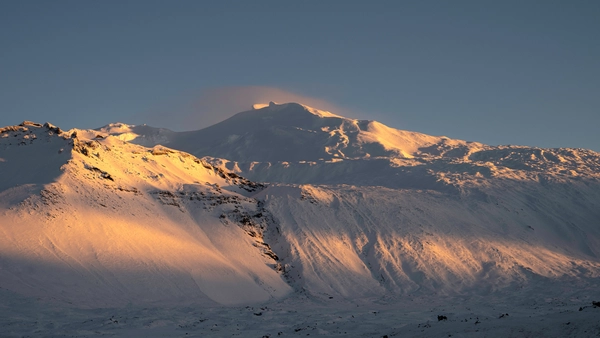
The Berserkjahraun viewpoint offers one of the Snæfellsnes Peninsula’s most spectacular panoramic vistas, where ancient volcanic forces have sculpted a landscape of extraordinary beauty that stretches endlessly toward the mystical Snæfellsjökull glacier. This dramatic lava field, formed thousands of years ago during massive volcanic eruptions, creates an otherworldly terrain that captivates visitors with its raw, untamed character and geological significance. The name “Berserkjahraun” translates to “Berserkers’ Lava Field,” referencing both the legendary Norse warriors and the violent volcanic eruptions that shaped this remarkable landscape into one of Iceland’s most impressive natural monuments.
From this elevated vantage point, visitors witness the incredible diversity of the Snæfellsnes Peninsula spreading before them like a living geological museum, where every formation tells a story of volcanic creation and glacial sculpting over millennia. The contrast between the dark, textured lava formations and the surrounding green valleys creates a visual masterpiece that perfectly encapsulates Iceland’s volcanic heritage, while the distant silhouette of Snæfellsjökull glacier adds an element of mystique that has inspired countless legends. Our expert guides share fascinating insights about the geological processes that created this magnificent landscape, while you capture unforgettable photographs of one of Iceland’s most impressive natural theaters where fire and ice have collaborated to create scenery of unparalleled beauty.
The shark museum

The Shark Museum provides visitors with a unique window into Iceland’s fascinating maritime heritage, where centuries-old traditions of shark fishing and the preparation of hákarl (fermented shark) come alive through authentic exhibits and captivating storytelling. This remarkable museum showcases the ingenuity and resilience of Icelandic fishermen who developed innovative techniques for hunting and preserving sharks in the harsh North Atlantic waters, creating a sustainable food source that helped communities survive during Iceland’s most challenging historical periods. The museum’s authentic setting and traditional equipment transport visitors back in time to experience the realities of Icelandic maritime life that shaped the culture and character of coastal communities.
Through interactive displays and knowledgeable local guides, visitors learn about the complex process of preparing hákarl, from the initial catch through the months-long fermentation process that transforms poisonous shark meat into an edible delicacy that remains an important part of Icelandic cultural identity. The museum experience provides insight into how harsh environmental conditions fostered innovation and resourcefulness that allowed Icelanders to thrive in one of the world’s most challenging climates. Beyond the cultural significance, the Shark Museum offers visitors the opportunity to taste this traditional delicacy while learning about its nutritional importance and cultural symbolism, creating an authentic connection to Icelandic heritage that few tourists ever experience during their visit to this remarkable island nation.
The admission to the Shark Museum is included
Mount Kirkjufell

Standing majestically at 463 meters tall, Mount Kirkjufell has earned its reputation as Iceland’s most photographed mountain, and a single glance reveals why this distinctive peak captivates photographers and nature enthusiasts from around the world with its perfect pyramid-like silhouette. Rising dramatically from the landscape near the charming fishing village of Grundarfjörður, this iconic mountain creates a visual masterpiece that has become synonymous with Iceland’s untamed beauty and serves as the centerpiece of countless postcards, calendars, and travel photographs. The mountain’s name translates to “Church Mountain,” reflecting its cathedral-like appearance that dominates the surrounding landscape with an almost spiritual presence that has inspired visitors for generations.
Mount Kirkjufell gained international fame as a filming location for the popular television series Game of Thrones, where it represented the “arrowhead mountain” that featured prominently in the show’s northern landscapes, introducing this remarkable peak to audiences worldwide. Beyond its Hollywood credentials, Kirkjufell offers visitors a profound connection to Iceland’s geological history, having been shaped by countless millennia of glacial activity and volcanic forces that created its distinctive form. Whether viewed in the golden light of the midnight sun, framed against the dancing Aurora Borealis, or reflected in the calm waters of nearby ponds, Mount Kirkjufell provides an unforgettable focal point that embodies the raw beauty and geological wonder that makes the Snæfellsnes Peninsula one of Iceland’s most treasured destinations for photographers and nature lovers alike.
Malariff lighthouse

The scenic walk to Malariff Lighthouse represents one of the Snæfellsnes Peninsula’s most rewarding short hikes, combining dramatic coastal scenery with fascinating maritime history in a setting where windswept grasslands meet the relentless power of the North Atlantic Ocean. This charming trail leads across rugged clifftops where hardy Arctic vegetation has adapted to survive in the harsh coastal environment, offering breathtaking panoramic views that stretch to the horizon and encompass the entire southwestern coast of the peninsula. The lighthouse itself, perched dramatically on the edge of towering sea cliffs, has guided mariners safely through these treacherous waters for generations, standing as a testament to human ingenuity and determination against nature’s most formidable forces.
The walk to Malariff provides multiple opportunities to witness the raw power of the Atlantic as massive waves crash against the ancient basalt cliffs below, sending spectacular sprays of seawater high into the air while creating the constant soundtrack of ocean meeting land. Along the coastal path, visitors encounter unique flora that has evolved specifically to thrive in this challenging maritime environment, while various seabirds soar overhead, riding the powerful wind currents that constantly reshape this dynamic landscape. This moderate walk offers the perfect combination of physical activity and natural beauty, culminating in one of Iceland’s most photogenic lighthouse locations where land, sea, and sky converge in dramatic harmony, providing visitors with an intimate connection to the maritime heritage that has shaped Icelandic culture for over a thousand years.
Arnarstapi shoreline

The spectacular Arnarstapi shoreline stands as one of the Snæfellsnes Peninsula’s most dramatic coastal destinations, where centuries of Atlantic waves have sculpted the volcanic basalt into extraordinary natural sculptures that showcase the ongoing battle between sea and stone. This historic fishing settlement, nestled beneath towering sea cliffs, features some of Iceland’s most impressive coastal geology, including the magnificent natural stone arch called Gatklettur, hidden sea caves, and towering rock pillars that rise majestically from the churning ocean like ancient monuments to the power of erosion. The village’s name translates to “Eagle’s Rock,” reflecting the abundant seabird colonies that nest in the dramatic cliff faces and add their cries to the constant symphony of waves and wind.
The coastal walking trail at Arnarstapi offers unparalleled opportunities to witness the ongoing geological processes that continue to shape Iceland’s coastline, where each powerful wave contributes to the ancient cycle of erosion and creation that has been sculpting these formations for millennia. Local folklore speaks of Bárður Snæfellsás, a legendary guardian spirit who is said to protect this sacred place, adding an element of mystique and cultural significance to an already magical destination where visitors can truly appreciate the spiritual connection between Icelanders and their dramatic natural environment. The constantly changing interplay of light, weather, and ocean conditions ensures that each visit to Arnarstapi reveals new perspectives and photographic opportunities, making this remarkable shoreline an essential stop for anyone seeking to understand the profound relationship between volcanic forces and oceanic power that defines Iceland’s coastal character.
Bjarnafoss

Bjarnafoss presents visitors with an intimate waterfall experience that perfectly embodies the pristine natural beauty and geological diversity that makes the Snæfellsnes Peninsula such a treasured destination for nature enthusiasts and photographers. This picturesque cascade tumbles gracefully through the volcanic landscape, where ancient lava formations and glacially carved valleys create a dramatic backdrop that showcases the incredible forces that have shaped Iceland over millions of years. The waterfall’s relatively modest size compared to Iceland’s famous giant waterfalls allows for a more personal and contemplative experience, where visitors can appreciate the intricate details of water sculpting rock and the delicate ecosystem that thrives in this pristine environment.
The setting surrounding Bjarnafoss provides an excellent example of how volcanic activity and glacial processes have collaborated to create Iceland’s diverse landscapes, where the interplay of fire and ice has resulted in formations of extraordinary beauty and geological significance. The area offers exceptional opportunities for photography and quiet reflection, where the gentle sound of cascading water creates a peaceful atmosphere that contrasts beautifully with the more dramatic coastal locations elsewhere on the peninsula. Visiting Bjarnafoss allows travelers to experience a different aspect of Icelandic natural beauty, where the focus shifts from overwhelming power to subtle grace, providing a moment of tranquility that enhances appreciation for the full spectrum of natural wonders that make the Snæfellsnes Peninsula such a compelling destination for those seeking authentic connections with Iceland’s remarkable landscapes and geological heritage.